Back to All News

Siteman Cancer Center Announces 2026 American Cancer Society-Funded Pilot Projects

|

WashU Medicine grant recipients will focus on lung and blood cancers

Siteman Cancer Center, based at Barnes-Jewish Hospital and WashU Medicine, is pleased to announce the next cohort of pilot projects funded by the Institutional Research Grant from the American Cancer Society. The three projects are described below.

Jason Weber Phd
Jason Weber, PhD

Under the leadership of Jason Weber, PhD, who has been principal investigator of the grant since 2011, these awards support independent, self-directed investigators early in their careers and enable them to conduct research in areas of special interest to the American Cancer Society.

WashU has funded early-career oncology researchers with this grant since 1958. Learn about projects initially supported in 202220232024 and 2025.


Project Title: Complement Modulation as a Strategy to Sensitize Tumors to Radiotherapy 

Radiotherapy Principal Investigator:
Vaishali Kapoor, PhD

Vaishali Kapoor, PhD

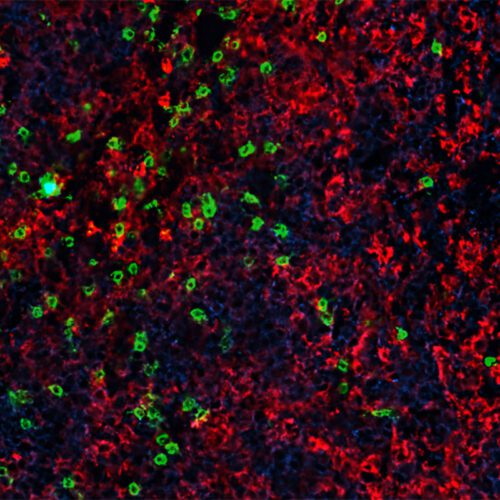
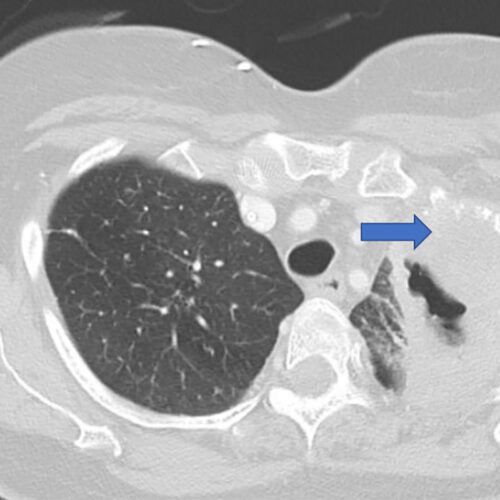
Summary: Lung cancer is the leading cause of cancer-related deaths in the U.S., and non-small cell lung cancer (NSCLC) accounts for about 85% of all cases. Radiation therapy (RT) is one of the most common and effective treatments for NSCLC, used in combination with chemotherapy and immunotherapy. While many patients initially respond to RT, most eventually experience cancer recurrence. One reason for treatment failure is that tumors can change their surrounding environment to hide from the immune system and resist therapy. This research focuses on the complement system, a part of the body’s natural immune defense, which helps recognize and destroy harmful cells. Surprisingly, new evidence suggests that in cancer, activation of the complement system can have the opposite effect: Instead of helping the immune system, it may help tumors survive. Researchers have found that RT activates the complement system, releasing a molecule called C3a, which then signals through a receptor called C3aR to recruit cells that suppress the immune system. At the same time, RT generates another molecule called iC3b, which programs certain immune cells to become less effective at fighting cancer. In this project, the researchers will investigate how these processes occur and test whether blocking C3aR — using a drug that already exists — can reprogram the immune system, allowing it to work together with RT to fight cancer more effectively. The long-term goal is to develop new combination therapies that enhance the power of RT, make immunotherapies more effective and improve survival for patients with lung cancer.


Project Title: Glycan-Guided Pathomic Signatures of Immunotherapy Response in Non-Small Cell Lung Cancer

Principal Investigator:
José Marcio Luna, MS, PhD

José Marcio Luna, MS, PhD

Summary: A type of treatment called immunotherapy has transformed care for some patients with advanced lung cancer by helping the immune system recognize and attack cancer cells. Unfortunately, this treatment does not work for everyone, and doctors currently lack reliable ways to know in advance which patients will benefit. As a result, many patients are exposed to treatments that may not help them while losing valuable time for other therapies. Researchers will explore whether patterns inside tumor tissue can help predict which patients are most likely to respond to immunotherapy. They will use lung tissue samples that were already collected from patients treated by WashU Medicine physicians. With the help of advanced imaging techniques, the researchers can map molecules such as sugars and proteins within the tumor. These maps will then be linked to digital images of the same tissue under the microscope. By analyzing these images with computer algorithms, scientists can detect subtle patterns that are invisible to the human eye. The goal of this work is to identify new patterns in tumor tissue that indicate whether a patient will respond well to immunotherapy. If successful, this approach could improve the way doctors select treatments for lung cancer, ensuring patients receive therapies that are most likely to help them. In the future, this research may also open the door to better tests that can guide treatment decisions for many other types of cancer.


Project Title: Germline Genome Sequencing in Patients with Myeloid Neoplasms in Paraguay

Principal Investigator:
Samuel Urrutia, MD, MS

Samuel Urrutia, MD, MS

Summary: This study is about understanding what causes myeloid neoplasms, a type of blood cancer, in a diverse population in Paraguay. While treatments for these cancers have improved in high-income countries, they’re often not available in places like Paraguay. A project called GEMA is already underway there, using advanced genetic testing to diagnose these cancers. This new project, an expansion of GEMA, aims to go a step further. It will look at two main things. First, it will search for inherited genetic changes (germline variants) that make people more susceptible to these cancers and see how they interact with new genetic changes (somatic alterations) that happen later in a person’s life. Second, the study will investigate how a person’s genes and their environment (gene-environment interaction) might work together to cause these cancers. To do this, researchers will analyze genetic information from saliva samples collected from patients. By combining this new information with data on their ancestry, environment and the genetic changes in their cancer cells, the study’s researchers hope to get a complete picture of why these cancers develop in this specific population. Ultimately, the goal is to identify new risk factors and better understand the unique challenges faced by patients with myeloid neoplasms in Latin America, which could lead to more effective prevention and treatment strategies in the future.