Pediatric Hematopoietic Cell Transplant and Cellular Therapy Program

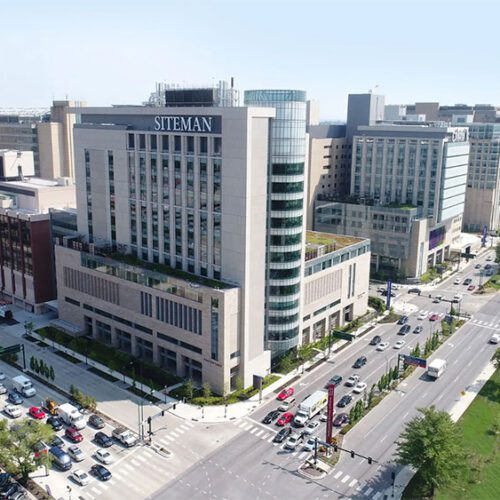
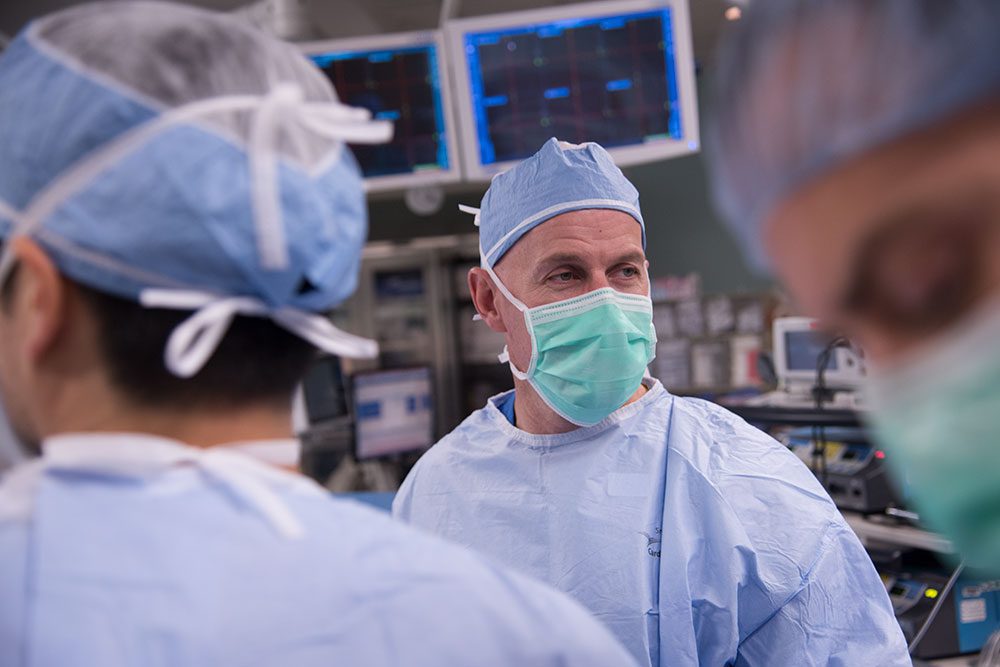
The Pediatric Hematopoietic Cell Transplant and Cellular Therapy Program at Siteman Kids at St. Louis Children’s Hospital, cares for children with blood cancers and other blood, metabolic and immune disorders. Our program provides an extensive range of innovative, research-based treatments that can eradicate these diseases and disorders. Our multidisciplinary team of WashU Medicine physicians customizes a treatment plan for each patient, giving them the best chance for cure.  

With an extensive team of transplant specialists, we care for all aspects of age-based patient care, and provide therapy services, education, psychosocial support, and much more to ensure the best possible recovery for our pediatric patients.     

At Siteman Kids at St. Louis Children’s Hospital, patients and their families are our top priority. We want you to feel comfortable and confident in your decision to trust us with your child’s care. 

What are some of the diagnoses treated in the Pediatric Hematopoietic Cell Transplant and Cellular Therapy Program?

Our program treats many disorders and diseases including:

  • Aplastic Anemia and other bone marrow failure disorders 
  • Immune Disorders 
  • Leukemias 
  • Lymphomas 
  • Metabolic Disorders 
  • Sickle cell disease and other hemoglobinopathies 

What treatments are offered in the program?

Stem cell transplantation, immune cell therapies, and gene therapy can be highly effective treatments for children with certain kinds of high-risk cancers and other serious disorders. Families with kids who are facing sickle-cell disease, bone marrow defects and immune disorders seek out Siteman Kids’ program because the treatments we offer can restore normal function in bone marrow and related cells. We also give pediatric patients the ability to use their immune systems to fight off disease.   

Stem cell transplants

Stem cell transplants, formerly called bone marrow transplants, are a well-established and potentially curative treatment for blood cancers, like leukemia or lymphoma, and other hematologic (blood), immune and metabolic conditions. Stem cells come from a few different sources in the body. The most stem cells are found in bone marrow, the porous, spongy material in the center of the bones. Stem cells also circulate in the blood and are in umbilical cord blood, too. Transplanted stem cells are able to make normal blood cells, including immune cells, red blood cells, platelets and vital enzymes. 

When considering a stem cell transplant, your child’s physicians will discuss and approach the best treatment for their diagnosis. Healthy stem cells are needed for this procedure and can come from the patient or from a compatible donor. Who the cells come from will determine how and when the cells are collected. If your child is having their cells removed, they will be collected before having chemotherapy as a way to keep the stem cells safe during treatment. Then, after the chemotherapy, the stem cells are given back to the patient through an IV to rebuild the immune system.  

Each kind of stem cell transplant a child can receive, from themselves, a donor, or umbilical cord blood, can be grouped together in the same category: hematopoietic stem cell transplants.  

Cellular therapy

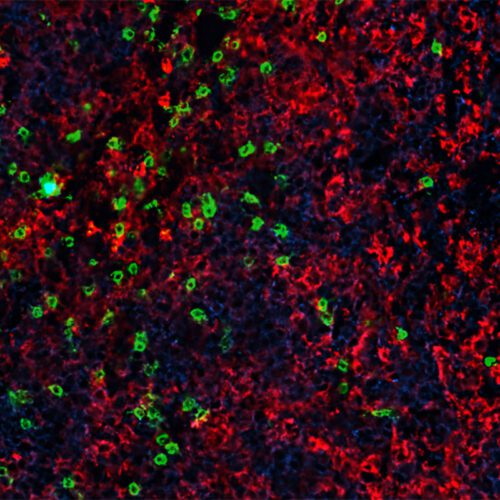
Cellular therapy is an innovative approach to treating several different cancers. In cellular therapy, the patient has cells removed from their body, and then those cells are genetically altered to begin to fight cancer cells. The process includes several steps. First, immune cells are collected from the patient or a compatible donor. Next, these immune cells are genetically altered to target particular cancers. Then the cells are returned to the patient through an infusion. The final stage of cellular therapy begins when genetically altered immune cells attack and kill the cancer cells. Some of these therapies are available in specific clinical trials while others are standard of care. 

Gene therapy

In patients with genetic disorders, the patient’s stem cells are collected and then modified to correct the gene function. Then those cells are infused back into the patient to correct the disorder. Gene therapy is often a treatment used for sickle cell disease. 

Siteman Kids is a leader in pediatric cancer care, and one way we bring breakthroughs to children’s bedsides is through clinical trials. A clinical trial is a research study that investigates new medical therapies, technology and more. Each study offers young patients additional treatment options that have not become the standard of care yet. Physicians at Siteman Kids will discuss if they believe your child could benefit from a clinical trial as part of their care. Learn more about clinical trials here. 

What makes Siteman Kids different? 

When St. Louis Children’s Hospital began using stem cell transplants in 1991, it was an innovative approach to helping children with different health conditions. It was the first program of its kind in Missouri, offering hope to families. It began a legacy of excellence that continues at Siteman Kids today with specialized programs and state-of-the-art clinical trials in pediatrics. Siteman Kids continues to give pediatric patients and their families cutting-edge care by:  

  • Creating individualized treatment plans that bring kids the most benefits while reducing the toxicity that can come with interventions 
  • Leading clinical trials that are available only at select centers in the country 
  • Offering tumor targeted cellular therapies and gene therapies for genetic defects 

Why Choose Siteman Kids?

Siteman Kids at St. Louis Children’s Hospital offers cutting-edge care with a focus on not just your child, but on your family as well. Families at Siteman Kids are seen by Washington University physicians who have specialized in pediatric medicine and are leading clinical trials and research studies to unlock new treatments for curing disease. U.S. News and World Report ranks us #1 in the St. Louis region for pediatric cancer care.   

 How Siteman Kids’ expertise sets us apart from other pediatric cancer centers:   

  •  We bring scientific breakthroughs to bedsides. Physicians at Siteman Kids are clinicians and researchers. Because they excel at caring for children and studying cancer in a lab, our physicians take innovative approaches to curing their patients’ cancers.  
  • We prioritize child and family well-being. Our pediatric hospital and oncology specialists prioritize a child’s learning, growth, and development when creating their unique treatment plan. And we deliver family-centered care through comprehensive support services for parents, caregivers, and siblings.   
  • We lead pediatric cancer research. Siteman Kids’ physician researchers lead and participate in national clinical trials. So our young patients have more opportunities to be enrolled and have access to the latest treatments at the earliest opportunity possible.  

Can I ask for a second opinion about my child’s diagnosis? 

Our experts collaborate with other institutions that are seeking their input, and they request second opinions of colleagues at peer institutions as well. You can always request a second opinion when researching how to get your child the best pediatric cancer care. It is your right, and it is a common practice; many programs and hospitals encourage it. Siteman Kids at St. Louis Children’s Hospital makes requesting a second opinion easy. It is important that you feel confident about the care your child is getting and how their treatment is working. If you are getting care elsewhere and are interested in a second opinion from Siteman Kids at St. Louis Children’s Hospital, request it here

Request an Appointment

Call our nurse navigators to begin setting up an appointment for your child. They are able to answer questions and guide you to resources.